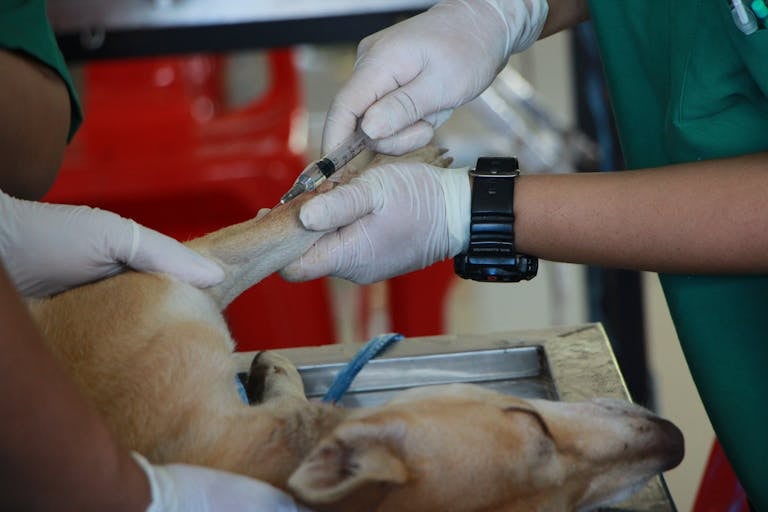
Did you know that two thirds of dogs are infected with intestinal worms? Your puppy has most certainly been contaminated from her mother's belly, from breast feeding or from her environment.
The worms that live in your animal's intestine are parasites who live there at their expense and can cause serious health problems: impaired growth, digestive disorders, reduced vaccine immunity, and in some cases, they may even endanger your health Some larval forms can infest man.
To Veterinary Clinic Paris 17, we recommend complete protection of your animal with a vermifugation program adapted to its age and lifestyle.
Contents
Types of intestinal parasites in dogs
The Ascaris
The puppies are very frequently infested by Ascaris, usually from their mother. These worms are about 20 cm:
- Collect nutrients from your puppy's diet
- Cause a stunting
- Cause bowel disorders common: diarrhoea, constipation, vomiting
- May cause intestinal obstruction with perforation in severe cases
⚠️ Significant zoonotic risk : Man can easily contaminate himself by ingesting dascaris eggs. Children are particularly vulnerable, making your animal's regular vermifugation essential.
The Tenia (to flat)
The tenia is the most common flatworm In the dog. It can measure up to 80 cm, but it is generally observed only rings (like rice grains) on the stools or around the anus of infested dogs.
Typical symptoms : The presence of these segments in the very sensitive anal area often causes dogs to rub their rear-train on the grounda typical parasitic infestation behaviour.
It is particularly difficult to eliminate this parasite as dogs regularly reinfest themselves by ingesting contaminated chips by tenia larvae. This is why our antiparasitic services systematically recommends that vermifugation be supplemented with effective treatment against fleas.
The Trichures
These parasites from the big intestine of the dog:
- Measure 2 to 4 cm
- Feeding blood of their host
- May cause anaemia
- In severe cases, may cause hemorrhagic colitis
Dogs frequently reinfest by swallowing cheating eggs in the outdoor environment. Treatment pest control regular is therefore indispensable.
Symptoms and risks of intestinal parasites

Parasitic infestation may occur with various symptoms:
- Digestive disorders diarrhoea, constipation, vomiting
- Amurement despite normal or increased appetite
- Balloon jacket, especially in puppies
- Dark peel and lack of energy
- Anal itching and rear friction on the ground
- Visible presence of worms or segments in or around stools
Intestinal parasites also represent a risk to human healthespecially for children and immunocompromised persons. This is why the preventive medicine is essential to protect the whole family.
Recommended vermifugation program
For the best protection of your animal, our veterinarians Clinical recommend the following program:
For puppies:
- Treatment every 15 days up to 2 months
- Then monthly up to 6 months
For adult dogs:
- Treatment every 3 to 6 months according to:
- Their level of exposure to pests
- Their way of life (contact with other animals, nature trips)
- Young children in the family
Special cases:
- Females : treatment 2 to 3 days before projection and 15 days before and after calving
- Dogs living with children : more frequent vermifugation recommended
- Hunting dogs and rodents Specific protocol required
Choosing the right vermifuge
⚠️ Be careful! Any active worm medicine may be called vermifuge, but all worms are not effective against all types of worms !
When you consultation at the Clinique Vétérinaire Paris 17, our veterinarians will recommend the vermifuge adapted to:
- Specific species of pests to be treated
- Age and weight of your dog
- His particular physiology
- Its rhythm of life and its level of exposure
We will also provide you with personalized advice to optimize the parasitic protection of your pet.
Complementary prevention and treatment
For full protection against intestinal parasites, several complementary approaches are recommended:
- Regular vermifugation according to the protocol adapted to your animal
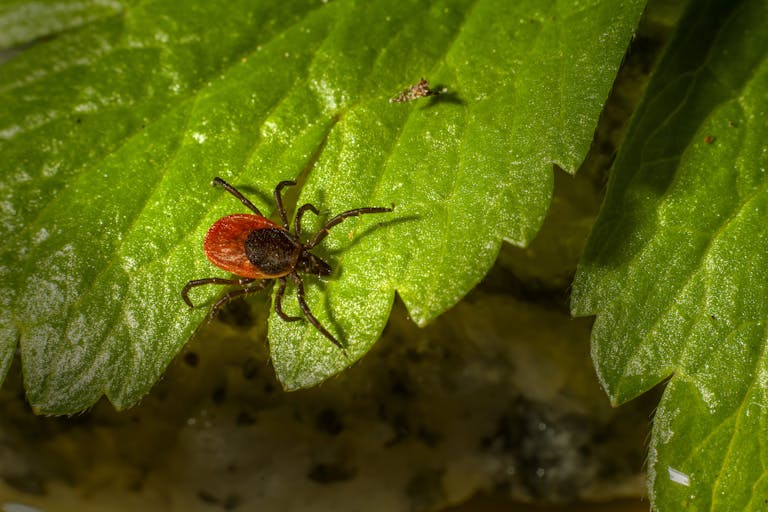
- External pest treatment to prevent fleas and ticks that can transmit some to
- Severe hygiene :
- Pick up your dog's feces quickly
- Washing hands after contact with your animal
- Regular cleaning of sleeping areas
- Quality food to strengthen the immune system
- Regular veterinary consultations for early detection of infestation
Do not hesitate to make an appointment for a consultation or to contact us at 01.42.27.43.25 for any questions about health and disease prevention in your dog.