What is veterinary gastroenterology?
Gastroenterology is the medical discipline devoted to the study of the digestive tract and the treatment of diseases related to it. Our gastroenterology department deals with the organs of your animal's digestive system, including:
- Esophagus
- Stomach
- Small intestine (duodenum)
- The large intestine and colon
- The rectum
- Additional digestive glands such as liver, bile and pancreas
These organs, working in harmony, allow your animal to properly digest its food and extract the nutrients essential to its health.
When to consult a gastroenterology department?
Digestive disorders are common in dogs and cats. If some benign conditions resolve with simple treatments of a few days, others require a thorough exploration when symptoms persist or intensify.
Main warning signs
- Acute or chronic vomiting
- Persistent diarrhoea
- Abnormal stools
- Impaired appetite or appetite disorders
- Unexplained weight loss
- Abdominal pain
- Abdominal swelling or swelling
- Constipation
- Excessive salivation
- Jaundice
It is important not to wait until the situation worsens. When taken care of early, most gastrointestinal disorders return rapidly.
Our diagnostic approach in gastroenterology
At the Veterinary Clinic Paris 17, we take a comprehensive diagnostic approach to accurately identify the cause of digestive disorders in your animal.
Initial consultation
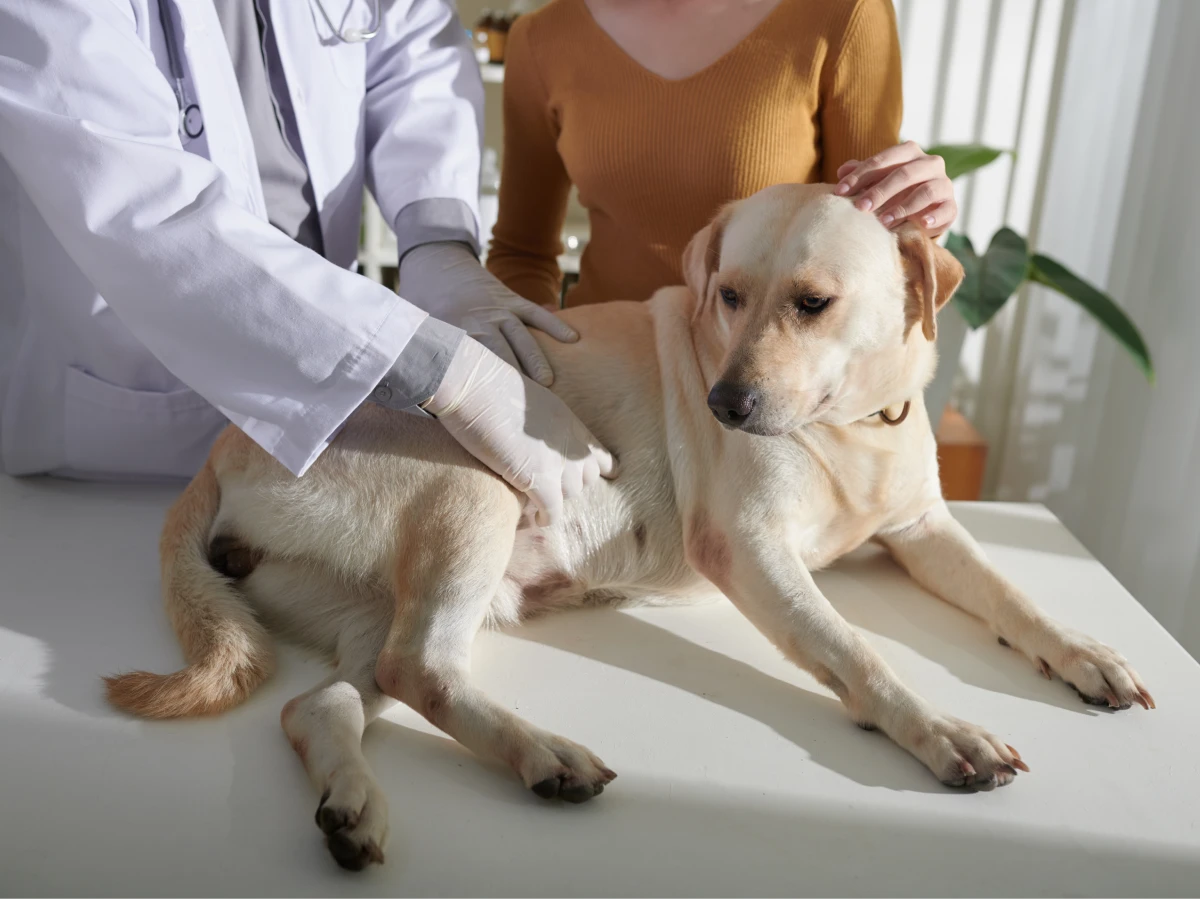
The first consultationOur veterinarian carries out a thorough clinical examination and collects the complete medical history of your animal. This step is essential to guide our diagnostic approach.
Further examinations
Depending on the symptoms presented, different reviews can be proposed, which will be carried out at the clinic or in our partner structures:
Laboratory analyses
- Blood tests liver function, pancreatic (cPL, fPL), specific lipase assay, biliary acids, folates, vitamin B12
- Stool analyses : search for parasites, bacterial toxins, cultures
Medical imaging
- Abdominal X-ray : detects foreign bodies, evaluates the size of the organs or diagnoses an ileus (stopping transit requiring emergency surgery)
- Abdominal ultrasound : detailed visualisation of the internal organs (stomach, intestine, liver, pancreas) with possibility of carrying out biopsies or echoed punctures
- Scanner : accurate visualization of all organs without exception, particularly useful for complex cases
Endoscopic techniques
- High endoscopy video : exploration of the esophagus, stomach and duodenum
- Colosscopy : colon and rectum examination
- Digestive biopsies : collection of tissue samples for analysis histological
These endoscopic techniques have the advantage of being little invasive and allow not only direct observation of lesions but also therapeutic interventions such as:
- The extraction of estophagus or gastric foreign matter without recourse to the surgery
- The realization of biopsies staggered from the inner layers of the digestive tract
- Polyps excision
- The expansion of stenoses
Common digestive disorders
Acute digestive disorders
- Infectious gastroenteritis
- Food poisoning
- Ingestion of foreign matter
- Stomach expansion-torsion syndrome (vital emergency)
Chronic diseases
- Chronic inflammatory bowel diseases
- Exocrine pancreatic impairment
- Pancreatitis
- Liver and bile disorders
- Diseases parasites
- Allergies and Food intolerance
- Digestive tumours
Our therapeutic care
After establishing a specific diagnosis, we develop a personalized treatment plan that can include:
Medical approach
- Specific drug treatments
- Nutritional adjustments and appropriate diets
- Appropriate supplements
Interventional approach
- Management of foreign objects
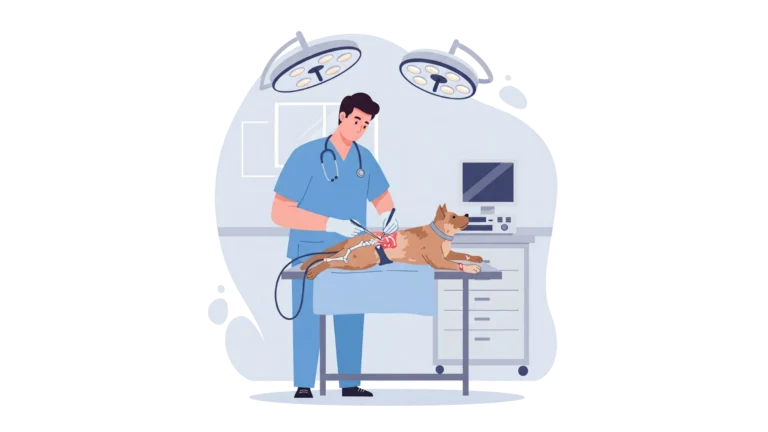
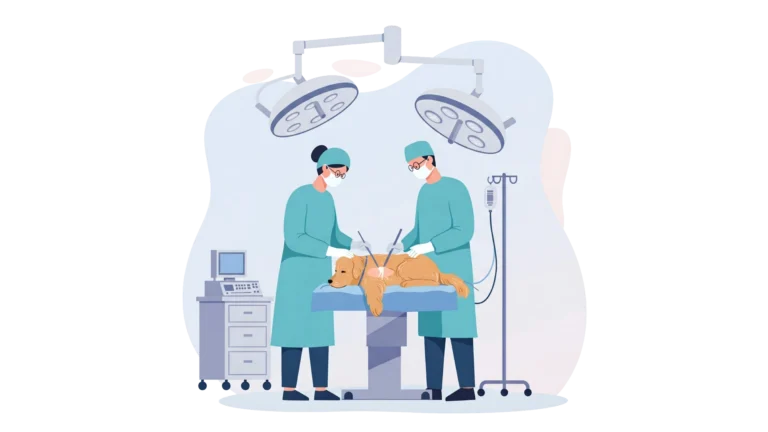
- Digestive surgery when necessary
- Hospitalization for cases requiring close monitoring
Tips for the digestive health of your animal
Prevention
- Balanced diet adapted to species, age and health status
- Vermifugation regular
- Progressive introduction of novel foods
- Avoid access to toxic substances and foreign matter
- Regular preventive veterinary visits
Vigilance
Do not wait for symptoms to worsen. Early management of digestive disorders greatly improves the prognosis and can avoid serious complications.
Frequently Asked Questions on digestive system
Find here the answers to the most frequently asked questions on this subject.
Does your animal have digestive problems?
In case of a digestive emergency, contact us by phone for an immediate appointment.
(We offer additional appointments by phone)