Skin problems in your pet
Skin conditions are one of the most common reasons for consultation in veterinary medicine. To Veterinary Clinic Paris 17, we take care of the common dermatological problems of your dog or cat, with the possibility to direct you to a specialized dermatologist veterinarian when the situation requires it.
Recognizing the signs of a dermatological problem
Your pet may need consult a veterinarian for a skin problem if you observe:
- Intensive or persistent scraping
- Redness, plaques or buttons on the skin
- Abnormal hair loss or degarned areas
- Crusts or squams (films)
- Fat, smelly or sweaty skin
- Excessive drying or biting of certain areas
- Frequent head shaking (ear problem)
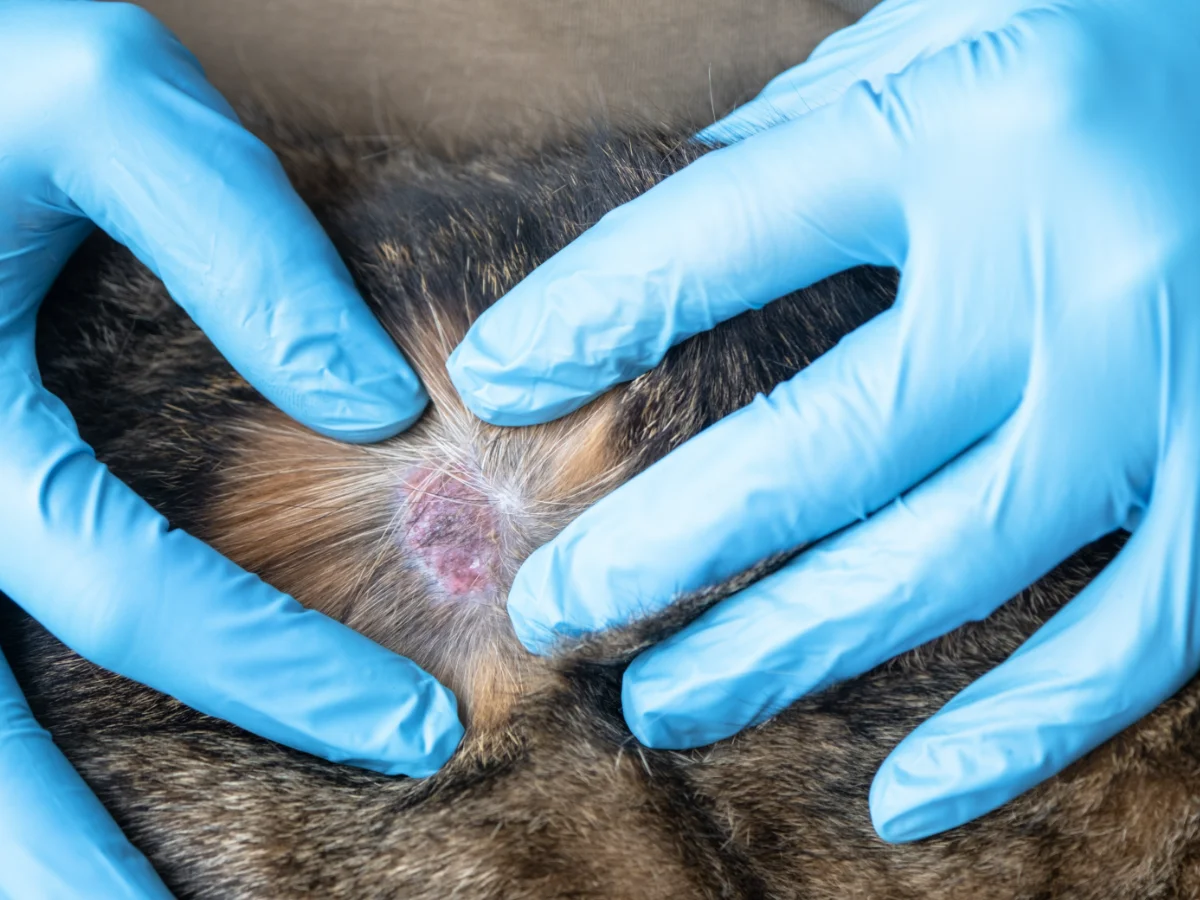
Early detection often allows a simpler and more effective treatment by your veterinarian or, if necessary, by a veterinary dermatologist.
Common dermatological problems in dogs
My dog constantly scratches
Itching in dogs may have various origins that sometimes require the expertise of a veterinary dermatologist:
- Allergies (food, environmental, contact)
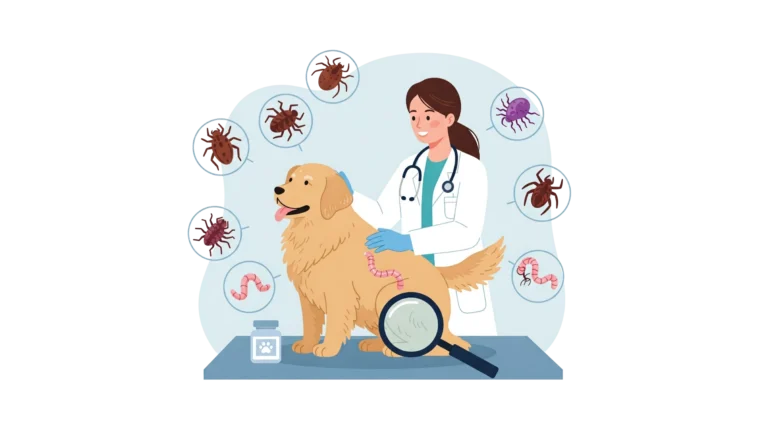
- External Parasites (chips, ticks, augusts, scabies)
- Bacterial or fungal infections
- Eczema and other dermatitis
- Drug reactions
- Hormonal disorders
Dog-specific skin disorders
In addition to common problems, your dog may suffer from special conditions:
- Hot spots (Pyotraumatic dermatitis): Areas of acute inflammation, painful and oozing
- Canine atopic dermatitis : Chronic inflammatory disease of allergic origin affecting up to 10% of dogs
- Seborrhoea : Keratinization disorder causing dandruff and unpleasant smell
- Dermatitis by licking : Self-inflicted by compulsive leaching
- Folliculitis : Infection of hair follicles creating buttons and pustules
- Zinc-responsive dermatosis : Problem Nutrition affecting certain races (Husky, Malamute)
- Pyodermitis of skin folds : Infection in skin folds (Bouledogue, Carlin, Shar-Pei)
- Contact dermatitis : Reaction to irritant substances (shampooes, plants, tissues)
Focus on canine eczema
Eczema in the dog is manifested by redness, itching and sometimes sooting. This inflammatory dermatitis may have an allergic component, especially seasonal (hence more marked symptoms in summer). A veterinary dermatologist may be required for complex or resistant cases.
Common dermatological problems in cats
My cat has crusts on her back.
Dorsal crusts in cats can report several conditions:
- One allergic dermatitis flea bites (DAPP)
- One Miliary dermatitis (small scattered crusts)
- One parasitic infestation
- One Immune disorder
- One secondary bacterial infection
Specific cat skin disorders
Your cat may also be affected by particular dermatological problems:
- Eosinophilic granuloma complex feline : Ulcerative, erosive or nodular lesions
- Feline acne : Black dots and pustules on the chin
- Foliate pemphigus : Autoimmune disease causing pustules and crusts
- Contact allergic dermatitis : Reactions to products antiparasitic or fabrics
- Dermatophytosis (tongue): Contaminant fungal infection
- Psychogenic alopecia feline : Loss of hair due to excessive grooming stress
- Solar dermatitis : Injuries on hairy areas exposed to the sun (ears, nose)
- Vitamin A-responsive dermatosis : Characteristics of cats with short coat
Feline alopecia: When your cat loses hair
Cat hair loss can be caused by:
- Excessive grooming due to stress
- Food and environmental allergies
- External parasites
- Fungal infections (tongue)
- Hormonal disorders
These cases may require the intervention of a veterinary dermatologist for a specific diagnosis.
Otitis: a problem with the veterinary dermatologist
Inflammation of the hearing canal is common, especially in dogs with falling ears. Although often treated by the general veterinarian, chronic or complex otitis may require the expertise of a veterinary dermatologist. They can be caused by:
- Allergy
- Parasites (mites)
- Bacterial or fungal infections
- Excessive accumulation of cerumen
- Foreign bodies
Warning signs include: head shaking, ear scratching, ear discharge, redness of the flag, unpleasant smell.
Our diagnostic approach
At the Veterinary Clinic Paris 17, we step by step to identify the origin of skin problems:
- In-depth clinical examination and background
- Treatment of your animal
- For complex or chronic cases, we do not hesitate to refer you to a specialist dermatologist veterinarian who has advanced diagnostic and therapeutic tools.
Frequently Asked Questions on dermatology
Find here the answers to the most frequently asked questions on this subject.
Your Animal has a Skin Problem?
Contact the Veterinary Clinic for a specific diagnosis. Together, we will determine whether general management is sufficient or whether referral to a veterinary dermatologist is necessary.
(We offer additional appointments by phone)