The basis to maintain your healthy dog is a suitable diet, regular treatment against pests and up-to-date vaccines. But you can greatly improve its welfare by daily comfort care. Discover our professional tips to take care of your Pet Every day.
Contents
Bucco-Dentary Hygiene of your Dog
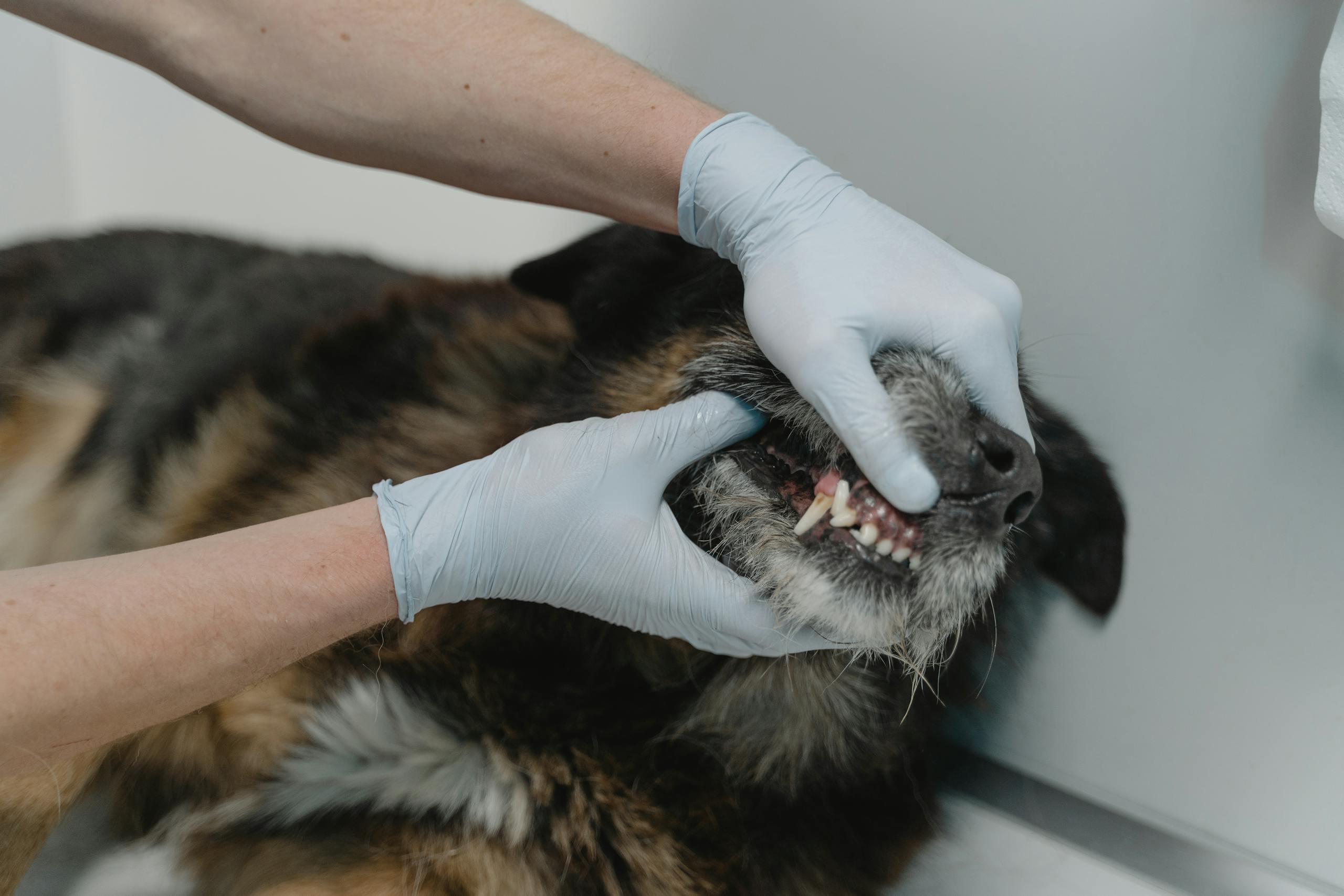
The tartar settles very quickly in the mouth of the dogs, particularly among small breedsand causes an unpleasant breath. You can delay the appearance of tartar in several ways.
Effective preventive solutions
The better solution is to brush your dog's teeth regularly with a specific toothpaste that you can get to the Veterinary Clinic Paris 17. If this method seems complicated, choose a dental solution to add to its drinking water.
Veterinary Council : A brushing 2 to 3 times a week is ideal to maintain good dental hygiene in your dog.
If the tartar is already well installed, a professional marking is likely to be necessary at the clinic, followed by aoral hygiene adapted to help keep a fresh breath.
Roofing and Pelage Care
How to wash your dog properly
To wash your dog, first get yourself a adapted shampoo to its skin type and absolutely avoid human products. The ideal frequency for a bath depends on the breed and lifestyle of your animal.
Steps for a successful bath:
- Use warm water (about 39°C)
- Wet the coat completely before applying the shampoo
- Gently massage by avoiding eyes and ears
- Rinse thoroughly to remove any residue
- Dry your dog perfectly to avoid skin problems
Important Avoid washing your dog within 48 hours and 48 hours after pest control.
Regular brushing of the coat
You can brush your dog every day If it is done with gentleness. More hair is long, the more frequent brushing should be.
Advantages of regular brushing:
- Eliminates dead hair and reduces hair falls in the house
- Stimulates blood circulation and natural oil production
- Allows early detection of possible dermatological problems
- Strengthens the connection with your animal
Remember to reward him after each brushing session to create a positive association.
Nail care
The dogs who live in an apartment often have too long nails. With a suitable clamp, you can easily shorten it every month. If you hear your dog's nails slam on the floor when it walks, it is that they are probably too long.
Eye and Ear Care
Eye cleansing
On the Parisian sidewalks, your dog Often picks up dust in the eyes. One regular cleaning is necessary to prevent irritation.
Use a clean compress and a suitable eye solution to gently clean the eye contours of your pet. If the eye is red, if it often cries or has mucus, check our serviceophthalmology to check if treatment is not necessary.
Ear care
The ears of a dog sometimes require specific maintenance. If your partner's ears are clean and odourless, it is best not to touch them.
Warning signs to be monitored:
- Strong or unpleasant smell
- Ears, dirty or red
- Common shaking of the head
- Excessive scratches
- Head bent
If you notice these symptoms, consult quickly for possible otitis. Otitis is often under-diagnosed and a source of chronic pain in many dogs.
Physical Activity and Walks
Three daily walks represent an excellent rhythm to maintain your healthy dog. The length and intensity of walks must be adapted to the age, race and physical condition of your animal.
Tips for beneficial walks:
- Set a regular schedule for exits
- Alternate between short walks for needs and longer trips for exercise
- Do not hesitate to take the same route on a regular basis, as the dogs appreciate the routine
- Plan games during walks to stimulate your dog mentally
Regular walks are essential not only for physical exercise but also for the behavioural health Your four-legged companion.
Health surveillance
Body temperature
Never trust the temperature of your dog's nose. Your animal can have 40°C with a fresh truffle and vice versa. Only the rectal temperature or via Thermochip is reliable. The normal temperature of a dog is between 38°C and 39°C.
How to take your dog's temperature:
- Use an electronic thermometer (not mercury)
- Apply a medical lubricant to the tip
- Gently insert the thermometer into the rectum
- Wait for the sound signal indicating the end of the measurement
The fever is characterized by a temperature above 39°C, accompanied by a reduction and an acceleration of the heart and respiratory rhythm. Attention: Many serious conditions can develop without fever.
Appetizer and digestion
If your dog boil a meal, remove it and don't offer anything else until the next meal. If this behaviour persists for more than one day, contact us quickly.
In case of isolated vomiting, don't worry, even if he eats his meal afterwards. If your animal appears to be slaughtered in addition, it is best to consult our service of Gastroenterology Right away.
When do I worry?
Digestive problems
If your dog present soft or liquid stools but retains its usual vitality, put it on the diet for 24 hours leaving it water available.
Signs requiring urgent consultation:
- Persistent diarrhoea more than 24 hours
- Blood in stools
- Repeated Vomiting
- Reduction or lethargy
- Refusal to drink
If symptoms persist, consult our website immediately. laboratory analysis service for a precise diagnosis.
Cough and breathing problems
If your dog coughs, he may have contracted the kennel cough, especially if he was not vaccinated or if he returns from a pension. Other causes are possible and require a professional diagnosis.
Difficult, noisy or very rapid breathing at rest should always be considered a veterinary emergency.
Unusual fatigue
One dog naturally takes many naps, especially when he is young or old. However, if you notice a significantly greater fatigue than usual, it is recommended that you consult with our veterinarians to avoid any underlying health problems, such as Cardiac condition or Neurological.
Excessive water consumption
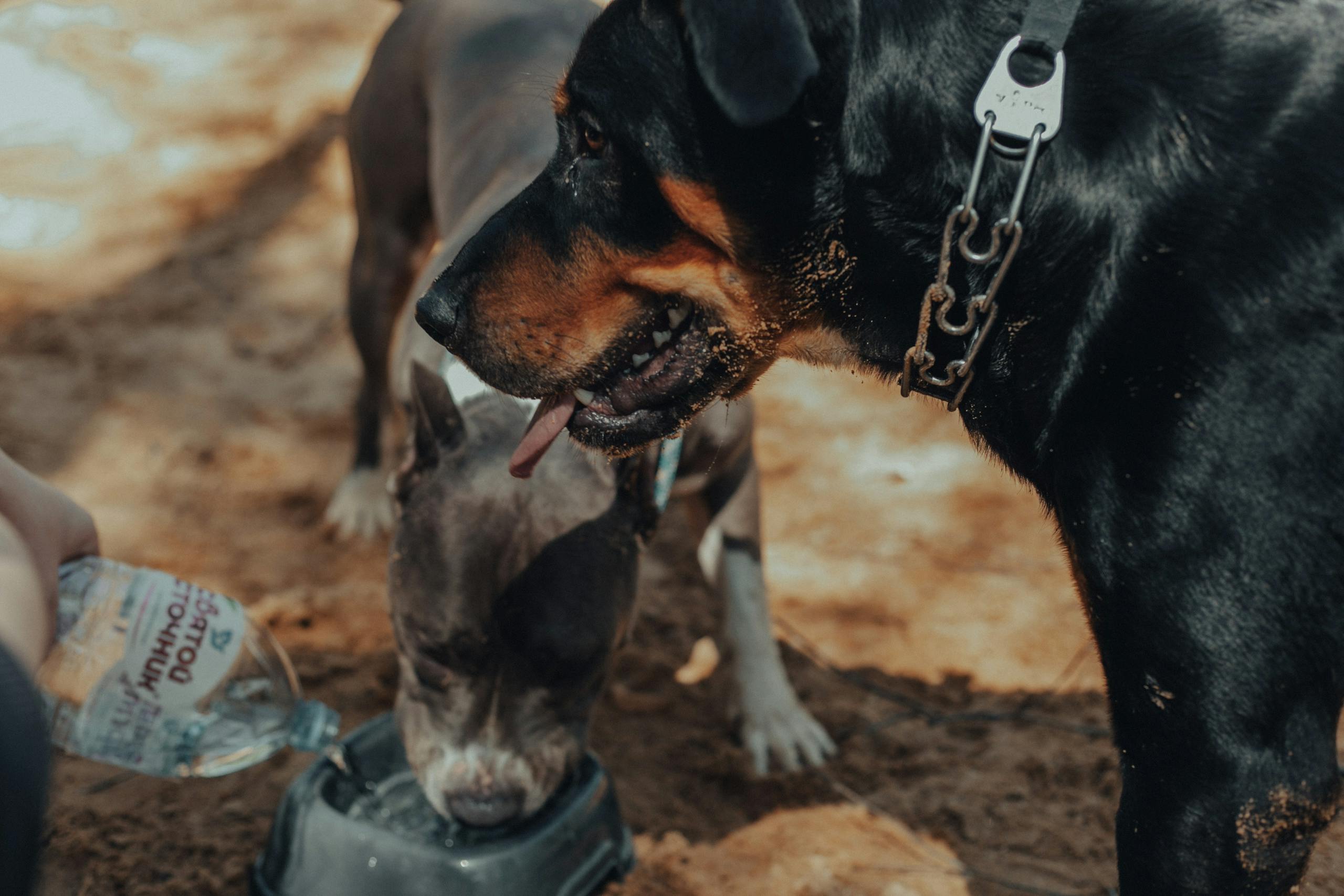
If your dog is fed to croquettes, it is normal that he drink more than if he consumes a wet diet. Similarly, water consumption increases naturally in hot weather or after intense physical effort.
Always leave fresh water at his disposal and never restrict his access to water. If you notice a significant increase in her drinking (polydipsy), report it to us quickly as this may indicate a problem urological or renal.
The importance of a Preventive Veterinary Consultation
To Veterinary Clinic Paris 17, we consider you to be the best expert on your Pet. You are perfectly capable of detecting a change in his/her behaviour or daily habits.
Benefits of Preventive Medicine:
- Early detection of health problems
- Long-term savings on veterinary costs
- Longer life expectancy of your dog
- Improving its quality of life
- Personalized advice for food and care
Important reminder As with a fire, it is always better to intervene too early than too late in the face of a potential disease. The preventive medicine is the key to a healthy long life for your faithful companion.
Additional advice
Travelling with your dog
If you plan to travel with your pet, don't forget to check that its identification is up to date and its vaccines meet the requirements of your destination.
Nutrition adapted
For any personalized advice on feeding and clinical nutrition adapted to the specific needs of your dog, our specialist veterinarians are at your disposal. Appropriate nutrition is essential to prevent many health problems.