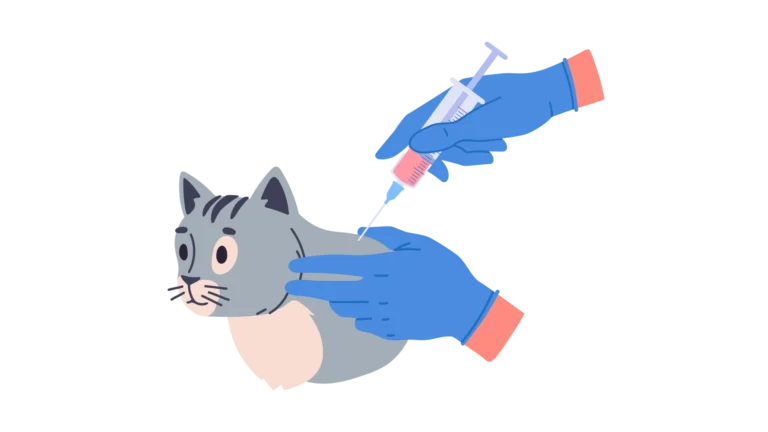
Veterinary dentistry
The oral health of your dog or cat is essential to its general well-being.
We put our expertise at your service to offer the best dental care to your companion.
What is veterinary dentistry?
Your dentist veterinarian in the 17th arrondissement in Paris
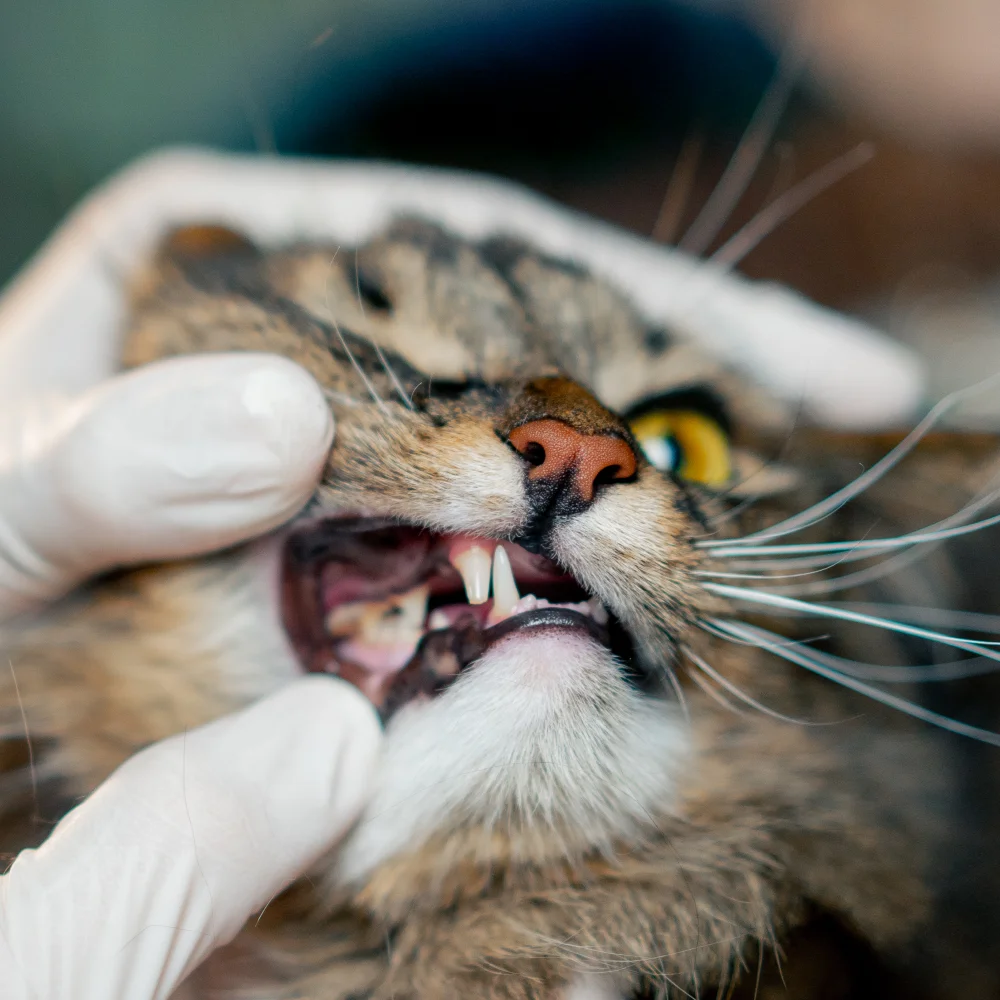
Veterinary dentistry prevents, diagnoses and treats oral diseases in animals. The veterinarian (dog and cat dentist) takes care of teeth, gums and periodontal tissues.
The regular examinations are essential to detect periodontal diseases, because animals often hide their pain.
Benefits of Regular Dental Care
The vast majority of adult dogs and cats suffer from dental problems. Preventive or prompt action is crucial to:

Our services in dentistry
Dental care
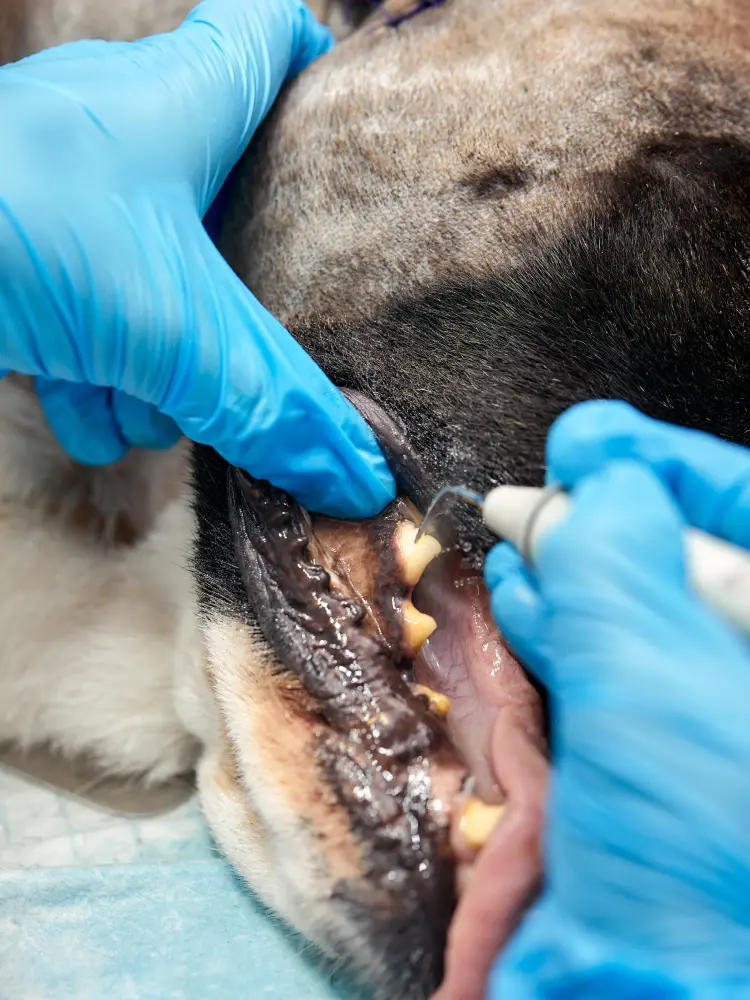
Dog and Cat Descaling
Occupational elimination of visible and hidden tartar anesthesia for complete and safe care), followed by polishing to slow down recidivism.
Dental extractions
Necessary removal of too damaged, mobile or infected teeth, with optimal pain management.
Other dental care
Oral consultation, X-raystreatment of periodontal diseases, abscesses, stomatitis.
Treated dental pathologies
Here are the more common problems we are dealing with in our veterinary clinic, a consultation will be necessary to test your animal.
Periodontal disease
Common in animals, it begins with plaque- and tartar-bound gingivitis. Untreated, it evolves into periodontitis, destroying supporting tissue and causing tooth loss.
Dentary Fractures (Dent Cassée)
Often caused by the chewing of hard objects. A broken tooth with exposed pulp is very painful and is an entry door for infections. Requires rapid treatment.
Gingivite
Reversible inflammation of gums, first stage of periodontal disease. It manifests itself in redness and bleeding, often linked to inadequate oral hygiene or plaque.
Dental tart
Yellowish or brown hard deposit formed by mineralization of the dental plaque. It irritates the gums, promotes inflammation and requires professional grading to be eliminated.
Abscess Dentaires
Accumulation of pus at the root of an infected tooth. Causes intense pain, facial swelling and sometimes fever. Rapid treatment is essential to avoid serious systemic complications.
Chronic Stomatitis Feline
Severe inflammation of the mouth in cats, often of immune or viral origin. Very painful, it requires veterinary follow-up to relieve the animal and avoid general deterioration.
Frequently Asked Questions Veterinary dentistry
Here you can find answers to the most frequently asked questions for dentist veterinarians.
Dental checkup for your pet?
Don't wait until your pet's dental problems worsen. Contact our dedicated team for a full consultation.
(We offer additional appointments by phone)