Vaccination of dogs
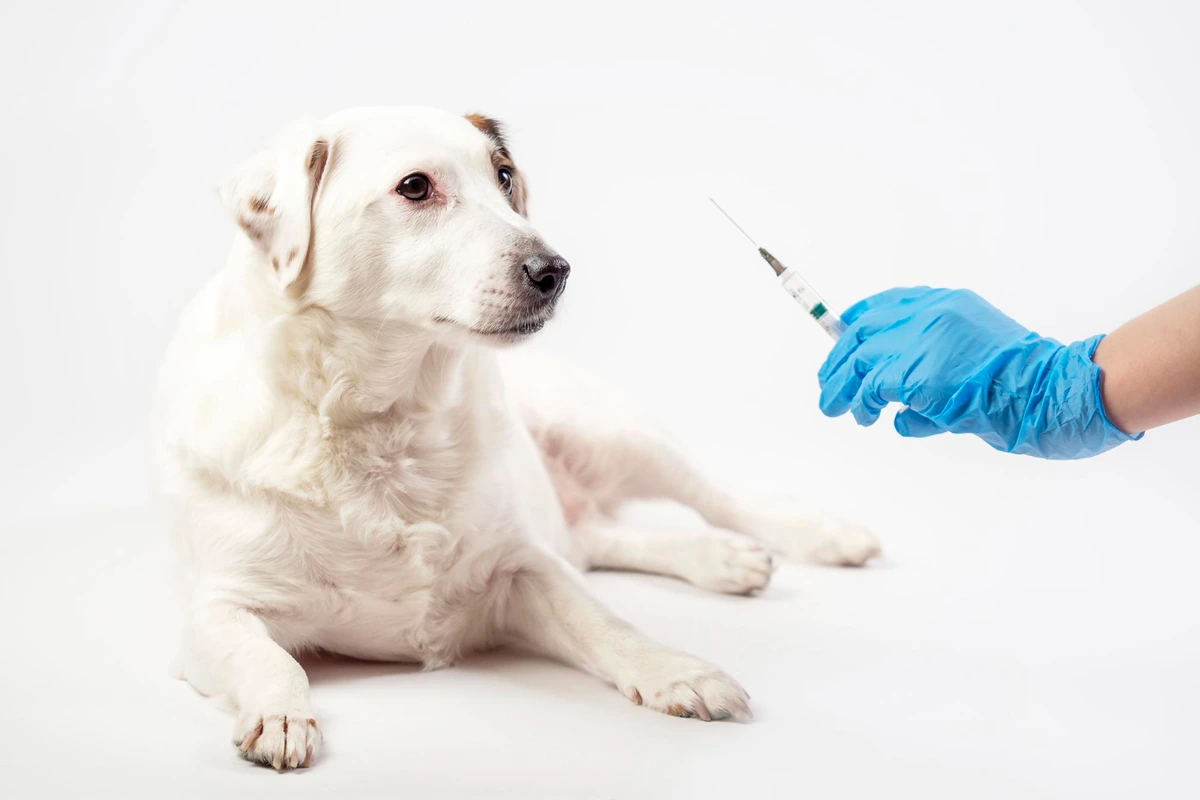
Vaccination is the best way to prevent your dog from contracting several diseases that are dangerous to him or her, but sometimes to you. Some diseases which can be prevented by vaccination are zoonoses, i.e. they can be transmitted from animal to human.
If some diseases are curable when they are treated on time, others do not have treatments or seriously threaten your dog's life.
What are the essential vaccines for a dog?
Vaccines considered essential for all dogs include:
on CHPPi (also noted DHPPi):
- C: Carré's disease
- H: Rubarth hepatitis (canine adenovirus)
- P: Parvovirosis
- Pi: Parainfluenza (in some formulations)
Leptospirosis : First dose from 9 weeks, with a booster one month later, then annual recalls.
Optional and mandatory vaccines
Other vaccines may be recommended depending on the environment and the dog's lifestyle:
- Rage : Mandatory for dogs categorised as dangerous and for travel abroad. First dose from three months and then annual booster recommended.
- Bordetella (kennel cough): Recommended for dogs who attend boarding houses, grooming parlors or education courses.
- Lyme Disease Recommended in areas at risk, requires a booster one month after the first dose, then annually.
Vaccine calendar for dogs and puppies
Puppy primary vaccination usually begins at 6-8 weeks of age. Here is an example of a vaccination schedule for puppies. At the Veterinary Clinic Paris 17, we go further by offering you a personalized vaccination, adapted to your dog's lifestyle and the real risks he faces: no unnecessary injections! :
|
Puppy age |
Vaccine |
|---|---|
|
6-8 weeks |
First vaccine (parvovirosis, Carré disease) |
|
10-12 weeks |
Second injection, vaccine against leptospirosis and rabies if necessary |
|
16 weeks |
Reminder of primary vaccination |
|
1 year |
First annual recall |
Reminders of dog vaccines
Reminders are crucial to maintaining your dog's immunity. But how long to make a dog vaccine recall? This depends on the vaccine, but a booster dog vaccine is often annual or every 3 years for some vaccines.
Cat Vaccination
Cats, whether they live indoors or outdoors, need vaccines to stay healthy. Here's all you need to know about cats and kittens vaccines.
What are the essential vaccines for a cat?
- Typhus (felineparvovirus/VPF): violent and fatal hemorrhagic gastroenteritis.
- Coryza : combination of two viruses :
- Feline Calicivirus (FCV)
- Feline herpesvirus (FHV-1)
Optional and mandatory vaccines for a cat
Other vaccines can be recommended depending on the environment and lifestyle of the cat:
- Feline leukosis (FeLV) : recommended for cats with access to the outside or to board.
- Rage : compulsory in case of travel outside France.
Immunization calendar for cats and kittens
Cat primary vaccination begins at 8 weeks of age. Here is an example of a vaccination schedule for kittens. At the Clinique Vétérinaire Paris 17, we go further by offering a tailor-made vaccination adapted to your cat's lifestyle and the specific risks that it may encounter: no unnecessary injections!
|
Age of kitten |
Vaccine |
|---|---|
|
6-8 weeks |
First vaccine (typhus, coryza) |
|
10-12 weeks |
Second injection and leukosis vaccine (if necessary) |
|
16 weeks |
Reminder of primary vaccination |
|
1 year |
First annual recall |
Reminders of vaccines for cats
Reminders are essential to maintain the protection of your cat. A booster cat vaccine is usually annual, but some vaccines may be spaced. Ask your veterinarian, especially if you are wondering if it is possible to vaccinate a cat with coryza.
Why Vaccinate His Dog or His Cat?
Vaccination protects your animals from life-threatening diseases and limits the spread of these diseases. It is also essential to travel or to place your animal in a boarding house.
Frequently Asked Questions on the Vaccination
Find here the answers to the most frequently asked questions about vaccines.
A vaccine for your pet?
Contact our veterinary clinic for more information on vaccines and to make an appointment for a consultation.
(We offer additional appointments by phone)