If you have just adopted a puppy 2 months old, he probably already received a first vaccination that you should track in his health book. However, this first injection does not guarantee complete protection. It is essential to complete its vaccination programme and to continue the recalls every year.
To Veterinary Clinic Paris 17, we always adapt the vaccine protocol according to age, lifestyle and the specific risks to which your four-legged companion is exposed.
Contents
The principle of vaccination
The vaccination works in stimulating the body's natural defences Your dog. It allows its immune system to recognize the « identity photos » diseases without needing to actually meet them.
This process involves:
- Specialized cells like the lymphocytes
- Protecting molecules such as antibody
Thus prepared, your dog's immune system can effectively identify and combat these pathogens if it is ever exposed.
Good to know: Your dog's immune system requires « revisions » routine as booster vaccine injections. These reminders are generally annual in dogs, unlike man where they can be spaced by ten years. This difference is explained by the lifetime of memory cells in the immune system, proportional to the longevity of the species.
Major canine diseases and their vaccination
Carré's disease
Carré's disease remains very present in France and can affect dogs of all ages. This viral infection is particularly formidable as it causes:
- Fever
- Conjunctivitis
- Respiratory difficulties
- Digestive disorders
- Neurological symptoms in advanced cases
Its prognosis is always reserved, hence the importance of preventive vaccination.
Rubarth hepatitis
AlthoughRubarth hepatitis have declined considerably in France thanks to vaccination campaigns, it remains crucial to maintain this protection to avoid its resurgence. This viral disease causes:
- High fevers
- Serious liver problems
- Rapid deterioration of the general state
Parvovirosis
The parvovirosis remains one of the most serious diseases, particularly in canine communities such as livestock. This viral infection appeared in France in the 1980s and is manifested by:
- Severe acute gastroenteritis
- Significant dehydration
- A collapse of immune defenses
These complications make it a formidable disease with a High mortality rateespecially in puppies.
The kennel cough
The kennel cough is a highly contagious respiratory disease that spreads rapidly in environments where several dogs coexist:
- Dog pensions
- Chenils
- Shelters
- Canine exhibitions
Several pathogens are involved, including bacteria Bordetella bronchiseptica and Virus Parainfluenza. If your dog needs to stay in boarding school or participate in dog events, a specific vaccination is strongly recommended.
Rabies
The Rabies is a life-threatening viral disease for both animals and humans. It can be transmitted by bite or scratch of an infected dog. Rabies vaccination is:
- Mandatory For:
- Travel to Corsica and the DOM-TOM
- Access to campsites
- Travel to certain risk departments
- The majority of international travel
- Recommended for all dogs because:
- An unvaccinated and unidentified dog found by the impound in a risk department may be euthanized
- It protects your animal and your environment from a deadly disease
To learn more about travelling with your pet, visit our page on travel formalities with an animal.
Leptospirosis
The leptospirosis is a bacterial disease mainly transmitted by rodents, especially rats. A dog can be contaminated by:
- Bathing in stagnant waters
- Drinking contaminated water
- Contact with infected moist soils
This infection can have serious or even fatal consequences. Vaccination protects against the two most common types of leptospires and is particularly recommended for dogs living in the countryside or those who engage in outdoor activities such as smoking and smoking. hunting.
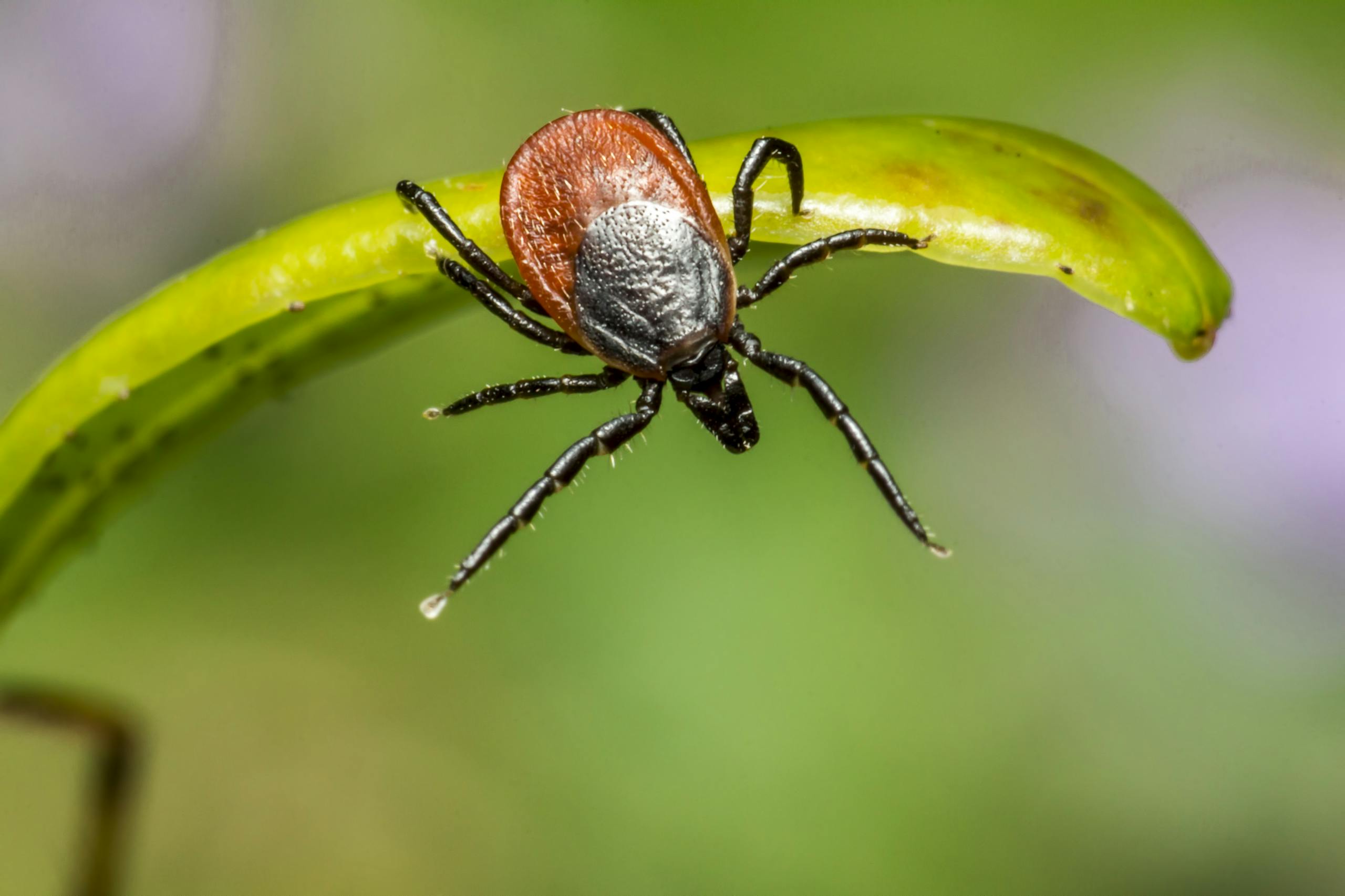
Tick-borne diseases
Protection against these diseases requires, first and foremost, effective control of external pests. At Clinique Veterinaire Paris 17, we advise you on the best prevention strategies adapted to your dog's lifestyle.
Piroplasmosis
The piroplasmosis (or babesiosis) is the most common tick-borne disease in France. Caused by a blood parasite (Babesia canisIt is characterised by:
- Rapid change
- A prognosis often dark without immediate treatment
- Symptoms such as fever, anaemia and dark urine
Vaccination offers significant protection which, although it does not always prevent infection, generally allows for more effective treatment.
Lyme Disease
The Lyme disease is a bacterial infection transmitted by ticks of the genus Ixodes. Well known in humans, his diagnosis is more complex in dogs due to often discreet symptoms:
- Intermittent fever
- Musculoskeletal disorders
- Loss of appetite
- Chronic arthritis
Preventive vaccination may be considered for particularly exposed dogs, such as those that regularly frequent forested areas.
Recommended vaccination programme
For each dog, it is essential toadapt the vaccine protocol based on several factors:
- Age
- Its living environment
- Its activities
- General health status
To Veterinary Clinic Paris 17, we set up a personalized program to ensure optimal protection without unnecessary over-medication.
Typical vaccination schedule:
| Age | Recommended vaccines |
|---|---|
| 8 weeks | First injection against Carré disease, hepatitis, parvovirosis |
| 12 weeks | Reminder + leptospirosis and kennel cough if necessary |
| 16 weeks | Rage if necessary + reminder leptospirosis |
| 1 year | First annual recall |
| Adult | Annual reminders adapted to lifestyle |
Protect your four-legged companion effectively
Immunization remains the most effective way to protect your dog from potentially serious or fatal diseases. To Veterinary Clinic Paris 17, we are at your disposal to establish a personalized vaccination protocol tailored to the specific needs of your animal.
Do not hesitate to make an appointment for a consultation or to contact us at 01.42.27.43.25 for any questions about health and disease prevention in your dog.