What is Nutrition in the Veterinary World?
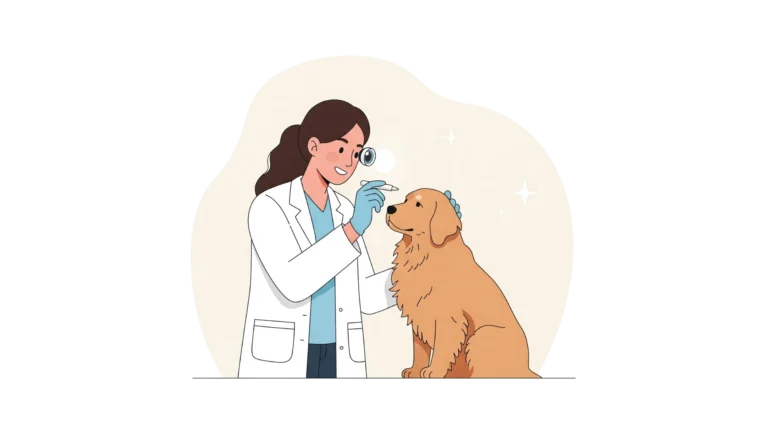
Nutrition is a specialized discipline studying the relationship between food and animal health. It aims to establish personalized diets adapted to the specific needs of each animal, taking into account its age, race, weight, health and living conditions. Unlike standard diet, clinical nutrition offers Custom solutions, particularly beneficial for animals suffering from specific health problems.
The benefits of a good diet for your companion
The preventive role of nutrition
One alimentation équilibrée is the first line of defence against many diseases. Studies have shown that adequate nutrition can significantly reducing risks problems:
For example, adequate control of phosphorus intake can slow the progression of renal failure, while a low sodium diet helps to manage heart problems.
Nutrition as therapeutic support
Many pathologies can be sustainable improvement a diet that meets the needs modified by the disease. Diet adjustment is often a key element in processing conditions such as:
- Diabetes
- Food allergies
- Obesity
- Inflammatory bowel diseases
In these cases, nutrition is not a substitute for conventional medical treatment, but rather for effective.
When to consult for nutrition advice?
Signs of nutritional problems
Several signs may indicate that your animal may benefit from special nutritional advice :
- Unexplained weight changes (loss or gain)
- Recurrent digestive problems (vomiting, diarrhoea, constipation)
- Dark peeling or loss of excessive hair
- Lethargy or reduced energy
- Abnormally high water consumption
- Anorexia or excessive appetite
Special situations requiring nutritional attention
Some stages of life or specific conditions require dietary adjustment :
- Growth (chicken or kitten)
- Pregnancy and lactation
- Sterilization
- Ageing
- Overweight or obesity
- Intensive physical activity (sport dogs)
- Recent diagnosis of a chronic disease
Specific Nutritional Needs of Dogs and Cats
Feline nutrition: specific characteristics and needs
Cats are strict carnivores with very specific nutritional needs. These include:
- One high intake of animal protein high quality
- Some essential amino acids like taurine
- The specific fatty acids (Arachidonic acid)
- Special attention tohydration, cats naturally having a weak thirst reflex
Feeding the sterilized kitten
The sterilization Significantly alters the metabolic needs of kittens. A sterilized kitten usually needs 30% less calories as an unsterilised kitten of the same age. A suitable diet should be put in place quickly after sterilization for prevent weight gain and associated health problems such as diabetes or urinary diseases.
Canine nutrition: balance and adaptation
The nutritional needs of dogs vary considerably according to their size, race, age and level of activity. A balanced diet for a dog should generally include:
- One adapted protein intake age and level of activity
- The carbohydrates as a source of energy
- The Moderate amount of fat
- The fibre to promote good digestion
- The vitamins and minerals in adequate proportions
Dog diet: special situations
In certain situations, a Specific scheme may be necessary:
- Hypocaloric diet for overweight dogs
- Fiber-rich diet for digestive problems
- Hypoallergenic diets for dogs suffering from food allergies
- Adapted formulas for dogs suffering from diseases kidneysliver or heart
Nutrition and Current Pathologies
Weight Management and Obesity
Obesity is one of the most common health problems In pets. An appropriate nutritional approach, combining calorie control and increase in physical activity, is the basis of any effective weight loss program. One regular monitoring allows to adjust the regime according to the progress made.
Food allergies and intolerances
Food allergies are generally manifested in skin or digestive problems. Allergen identification often requires eviction regime followed by progressive reintroductions. Food hypoallergenic or diets based on a new protein source for animals may be recommended.
Chronic diseases and nutrition
Many chronic diseases benefit from specific nutritional approach :
- Renal impairment : Low phosphorus diets that favour high quality proteins
- Cardiac problems : sodium limitation
- Diabetes : Carb control and specific fibers
- Osteoarthritis supplementation to omega-3 fatty acids and chondroprotectors
Our Approach to the Veterinary Clinic Paris 17
At the Veterinary Clinic Paris 17, we systematically integrate the nutrition in our global medical approach. In a consultation, a party « clinical nutrition » is often included, even if not explicitly mentioned, as it is an integral part of your animal's health management.
Personal evaluation and advice
We start with a in-depth evaluation your animal's current state of health, medical history, lifestyle and eating habits. On this basis, we are developing appropriate nutritional recommendations to its specific needs. Our goal is to identify whether your animal simply needs food adjustments or whether it has a condition that could benefit from consultation with a specialist nutritionist veterinarian.
Food lines proposed
We are constantly proposing Top quality foods, adapted to most of the clinical situations of your animals, and this in several ranges, in order to satisfy also their palate. If your pet's preferred diet is not available in our usual ranges, we can order specifically For him. Tasteful pleasure is not incompatible with health and well-being, on the contrary!
Monitoring and adjustments
Nutrition is not a static science. The needs of your pet change with age, changes in weight, diseases or changes in lifestyle. We recommend regular nutritional checks to adjust its power supply according to these developments.
Frequently Asked Questions on Nutrition
Find here the answers to the most frequently asked questions on this subject.
Your animal has behavioral disorders?
Our qualified veterinary team offers you a comprehensive assessment to determine the best management. In complex cases, we direct you to partner dog and feline behavioral veterinarians, ensuring optimal continuity of care.
(We offer additional appointments by phone)