The kittens are very frequently infested with internal parasites which generally cause digestive disorders of varying intensity, but also general problems such as leanness1 dull coat and ricketism.
What is particularly worrying is that some of these pathogens are responsible for zoonoses – diseases that can be transmitted to humans, especially young children.
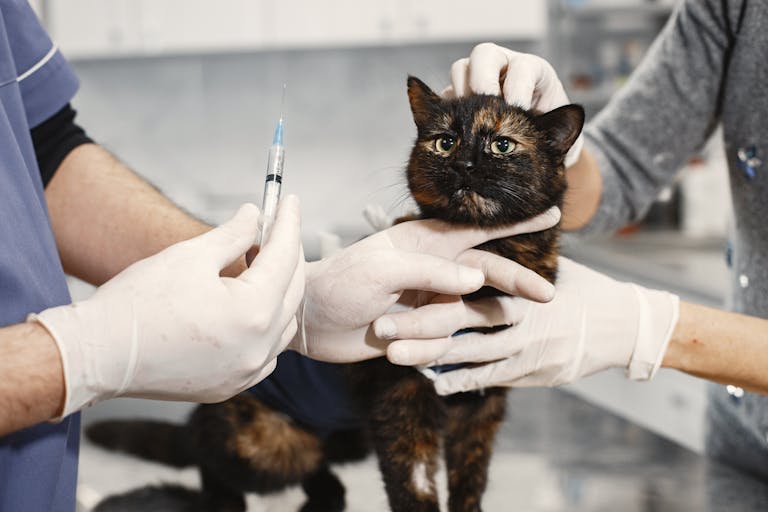
To Veterinary Clinic Paris 17, we adapt the vermifugation of your cat according to your family situation to protect both your pet and all members of your home.
Contents
Different Types of Internal Parasites
Internal parasites in cats fall into two main categories: protozoa (single cell organisms) and Helminths (to)
Infection by Protozoa
Cats can be infected from an early age by protozoa, which are mainly of two types: Giardia or Coccidia.
As common as worms, they infect:
- 30 to 60% of cats in breeding
- 5 to 20% of house cats
The Giardia
On the digestive mucosa of the small intestine, the Giardia induces a inflammation called enterit which hinders the assimilation of nutrients, causing:
- The chronic diarrhoea
- One Weighting progressive
This condition affects both kittens and adult cats by ingestion of microscopic cysts in contaminated water and food.
The Coccidies
The Coccidia that parasitize the cat are numerous. The Isospora cause acute enteritis in kittens, which contaminate by ingesting cysts in the soil.
Other species of coccidia, such as Toxoplasma gondiicontaminate the cat when eating an infected prey. This well-known species can infest all mammals, even if the cat is the only host that hosts intestinal forms and contaminates the environment through its stools.
Other mammals, including humans, infect themselves by consuming infected and uncooked meat or by ingesting cysts in the environment. They then house the tissue forms of the parasite, in the muscles or nervous tissues.
Attention for pregnant women : If you are not immune to toxoplasmosis, avoid contact with cat litter and prefer well-cooked meats and properly washed vegetables to avoid ingesting toxoplasm cysts.
It should be noted that 90% of adult cats were infected with toxoplasm at some point in their lives, but most of them are infected with toxoplasm. healthy carriers, asymptomatic excretors of parasites once the infection has passed.
How to Treat Protozoans?
We treat coccidioses with antibiotics administered for about ten days. Giardia is treated in the same way orally.
Helminth infection (Towards)
Helminths are present in the stools of About 20% of cats, frequency rising to 30% in kittens. This is proof that our dear mates need to be defrosted more often than we usually do!
Ascarides (Toxocara cati)
These are the main helminths encountered in kittens. Toxocara cati is a Round worm or nematode 4 to 8 cm long.
Ascaris inhabit the small intestine where they form small pelotas originally:
- Inflammation
- Digestive tract obstructions
- Diverse digestive disorders
Cats infest by consuming eggs in the environment or during feeding in the first 10 days of life: cats house larvae in their organs throughout their lives. Larvae wake up at the end of gestation to give intestinal adults and larvae infesting with milk.
Important : Intestinal ascaris produce huge amounts of eggs that resist for years on the ground, surviving even disinfectants.
After ingestion, the larvae migrate into the body, liver, lungs, before returning to the intestine to become adults.
Tenia (Dipylidium caninum)
Dipylidium caninum is a segmented flat worm (Cestode or tenia).
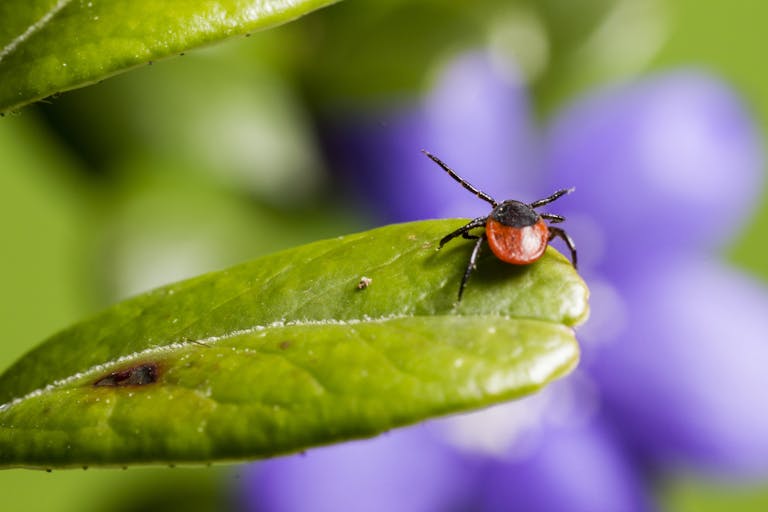
Larvae are present in fleas. The cat that ingests a chip by biting or doing her toilet contaminates and will have three weeks later adult tenias in the small intestine.
Rings containing eggs are removed with faecal matter and are often observed at the margins of the anus and on the hair. They're whitish, they're 5 mm long, they're twisting a little, then they're drying out and they look like rice grains.
The tenia is generally well supported by the cat, but it can cause:
- A slowdown in growth
- General fatigue
- A dull coat
- One anal pruritus when the rings come out
When's Vermifuge Your Cat?

For effective prevention, here is the recommended vermifugation schedule:
- Gums : 15 days before calving, then a month later
- Kittens : at 1 month and every month up to 6 months
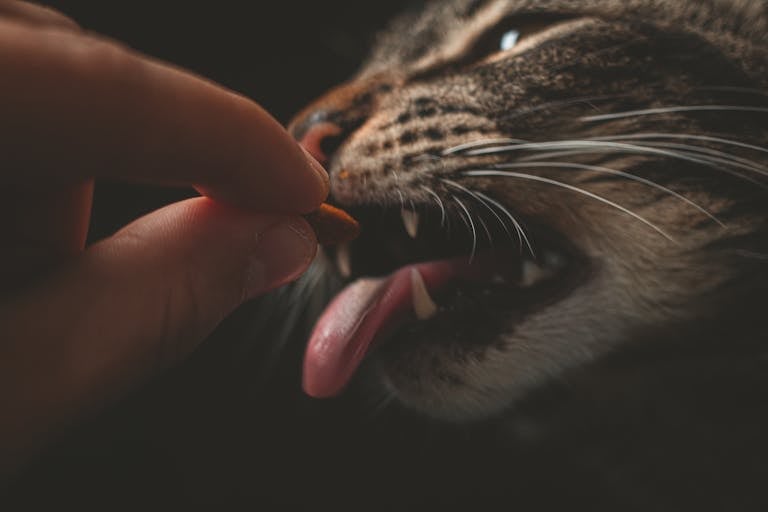
- Adult cats : a rhythm of 2 to 4 vermifugation per year is recommended
A Global Approach to Your Cat's Health
At the Veterinary Clinic Paris 17, we always try to understand the problems in a global way.
This is why we advise you to complete the vermifugation of your cat with a effective anti-chip prophylaxis, as these are the primary cause of reinfestation by worms, especially tenia.
We take our public health mission to heart, and as such we pay particular attention to zoonosesThese diseases of animals that can affect humans. For example, Toxocara cati can infest man (including children) and cause serious conditions related to larval migration (larva migrans).
Do not hesitate to contact us to establish a adapted deparasitization program your cat and family situation. Our veterinarians are here to answer all your questions during a consultation or to advise you the best antiparasitic for your pet.
Trust your clinic for your Cat's Health
For accurate diagnosis and appropriate pest management, our veterinarians are at your disposal for consultations at the Veterinary Clinic Paris 17.
Contact us at 01.42.27.43.25 or Make an appointment online to protect your cat from intestinal parasites and preserve the health of your entire family.