For the past ten years, feline medicine has grown considerably. The specific infectious diseases to cats are now better understood, allowing the development of appropriate and effective vaccines.
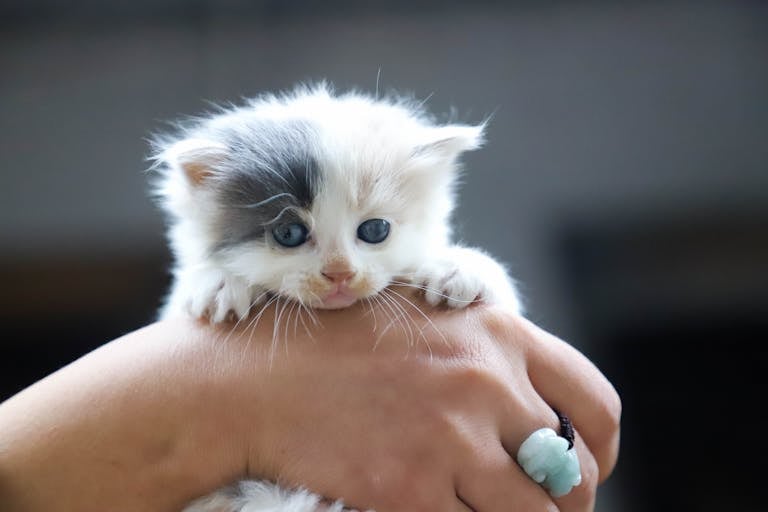
If your kitten may have already received a first injection, several successive reminders are necessary to ensure optimal protection. Some vaccinations may start immediately 8 weeks of age, while others start to 3 months.
At the Clinique Vétérinaire Paris 17, our veterinarians advise you on the vaccine protocol adapted to your animal according to its lifestyle and its specific needs.
Contents
What is immunity?
Immunity represents all defence mechanisms enabling the body to eliminate foreign bodies that may be attacked. This complex system involves specific cells and molecules such as lymphocytes and antibodies.
The acquired defences are specific to each disease. Thanks to a immune memory system, they protect more or less long-term against further aggression of the same pathogen.
Good to know : In newborn kitten, temporary protection is transmitted by the mother via antibodies in her colostrum. This maternal immunity lasts until about three months.
This is why the vaccination usually begin at the age of two months, in order to take over this maternal immunity when it begins to decrease.
What diseases to vaccinate your cat?
For each animal, our veterinary team adapts the vaccination schedule in several determining factors:
- The lifestyle (strict interior or access to outside)
- The epidemics in your region
- The legislation in force
Some vaccines may be combined in the same injection, while others require separate injection points. As with children, most primary vaccination (first vaccinations) several successive injections to ensure lasting immunity.
The vaccination booklet your cat will be updated every time you visit the clinic, allowing you to accurately monitor the protection of your pet.
The main feline diseases and their prevention
Coryza
The Coryza feline means a condition of the upper respiratory tract characterized by symptoms such as:
- Conjunctivitis
- Nasal discharge
- Oral ulcers
- Persistent cough
In 80% of casesThis condition is caused by a combination of Herpes feline virus and/or Calicivirus. The bacteria Chlamydophila felis may be involved in some cases of associated eye disorders.
Coryza is a disease extremely contagious. Contamination occurs mainly through respiratory secretions. In infected cats, there is a significant risk of chronic transport and Re-excretion virus, even after apparent recovery.
Important : If your cat has respiratory symptoms, consult quickly. The earlier the treatment is implemented, the less likely the disease is to settle in chronic form.
The Typhus
The Feline typhus is caused by a virus in the parvovirus family. This serious illness is manifested by:
- Acute diarrhoea often bleeding
- Significant decrease in immune defences
Typhus may cause death of young kittens and, in the pregnant female, cause irreversible malformations In the foetus. As with all viral diseases, there is no specific treatment, hence the importance of vaccination.
In case of suspicion, our veterinarians can carry out a blood test to quickly detect the disease and implement appropriate support care.
The Rage
The Rabies is a deadly disease for both animals and humans. Although this disease has regressed significantly in France thanks to the vaccination campaigns of foxes, it remains present in many neighbouring countries.
Rabies vaccination is particularly recommended for cats who:
- Travel with their owners
- Live in risk areas
- Common campsites or tourist areas
Legally : Rabies vaccination is mandatory to visit overseas departments, Corsica and many campsites and public places.
Leucosis Feline (FeLV)
The Feline leukosis affects about 5 to 10% of the feline population. This viral infection is easily transmitted by:
- Direct contact (nose to nose)
- Share of litter and eels
- Morsures between cats
Contamination, the first stage of the disease, often goes unnoticed because of its transient nature. Subsequently, either the cat eliminates the virus or it remains healthy carrier for a period of several months to several years.
The terminal phase of the disease may occur in various forms:
- Leukaemia
- Lymphosarcomas
- Severe anaemia
- Neurological injuries
At the Clinique Vétérinaire Paris 17, we recommend that a blood test before starting vaccination against this disease. We use exclusively vaccines without adjuvant for Leucose Féline, ensuring better safety for your pet.
Immunodeficiency Feline (FIV)
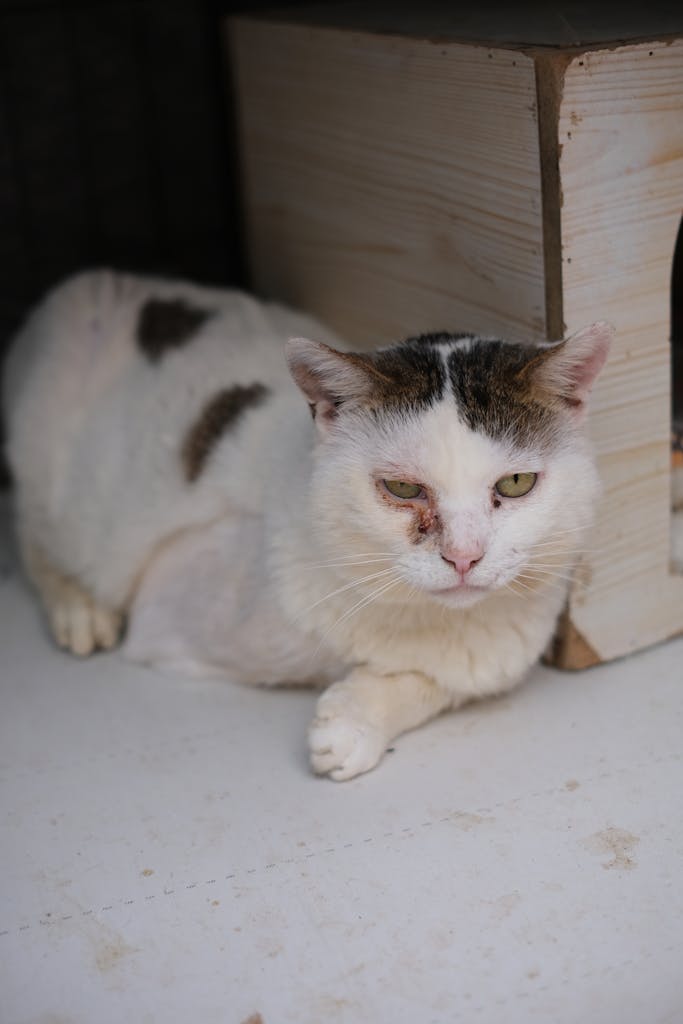
The HIV virusImmunodeficiency Feline (equivalent to HIV in humans) is transmitted almost exclusively by bites during fights between cats. The disease evolves in several phases:
- One asymptomatic period may last up to 10 years, during which the cat is in apparent good health, but HIV positive and contagious
- One Clinical phase characterized by increasingly serious recurrent infections that gradually threaten animal life
One blood test similar to Leucosis is used to detect this disease. However, no vaccine currently exists to prevent IVF infection.
Preventive Council : The best prevention is Early sterilization around the age of six months, significantly reducing runaway behaviour and fighting, the main sources of contamination.
Feline Infectious Peritonitis (PIF)
The PIF remains a disease that still raises many questions in the veterinary field. If a blood test exists, it unfortunately does not differentiate benign forms from serious forms of infection.
The diagnosis is mainly based on observation of characteristic symptoms:
- Persistent fever
- Progressive improvement
- Significant accumulation of fluid in the abdomen
Currently, no vaccine or specific treatment exists against PIF. Prevention is mainly based on strict health measures, particularly important in feline communities.
Chlamydiophilosis
This disease, caused by the bacteria Chlamydia felis, is usually manifested by Conjunctivitis which can be complicated by broncho-pneumonia Sometimes difficult to treat.
In case of recurrent conjunctivitis in a young cat, our team can perform a specific test to confirm or remove this disease and adapt the treatment accordingly.
Recommended vaccination schedule
For optimal protection of your cat, here is the vaccine protocol generally recommended:
| Age | Recommended vaccines |
|---|---|
| 8-9 weeks | First injection Typhus + Coryza |
| 12 weeks | Reminder Typhus + Coryza + Leucose (if negative) |
| 16 weeks | Reminder Leucose + Rage (if necessary) |
| 1 year | Annual reminder of all vaccines |
| Adult | Reminders by lifestyle and risk of exposure |
This calendar may be individually adapted depending on the specifics of your animal and its living environment.
Conclusion
Vaccination essential pillar of feline preventive medicine. Protecting your cat from major infectious diseases is not only crucial to its health, but also helps to limit the spread of these diseases in the overall feline population.
Do not hesitate to Make an appointment at the Veterinary Clinic Paris 17 to establish a personalized vaccination program for your cat. Our veterinary team is at your disposal to answer all your questions regarding the health protection of your pet.